Scaffolding plays an essential role in almost every type of building work. Whether you’re planning home maintenance, a commercial refurbishment, or external repairs, knowing when and how to use scaffolding can save time, prevent injury, and keep your project compliant with safety laws.
This guide explores everything you need to know if you’re looking for scaffolders in Sittingbourne including when scaffolding is needed, who is responsible for safety, and how to choose the right provider for the job.
When Do You Actually Need Scaffolding?
Not all work at height requires scaffolding, but in many situations, it becomes the safest and most practical option.
You may need scaffolding if:
- Work is being carried out above 2 metres
- Ladders do not provide safe, long-term access
- Tradespeople need to use both hands or carry materials
- Several workers need to operate at height simultaneously
- The job will last more than a couple of hours
Common jobs in Sittingbourne that typically require scaffolding include roof repairs, chimney repointing, painting upper walls, and installing solar panels. If you’re unsure whether scaffolding is needed, a qualified scaffolder can assess the job and provide advice based on the risk involved.
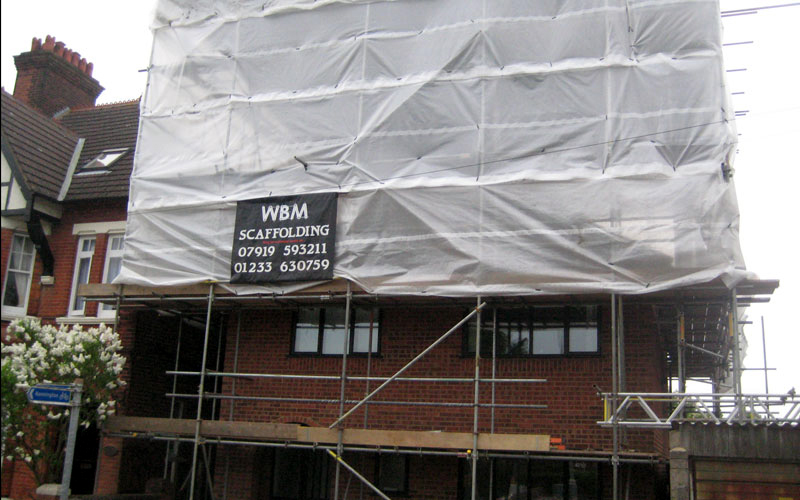
Types of Scaffolding Used in Sittingbourne Projects
Different types of scaffolding are used depending on the property and the nature of the work. Below are some of the most common systems:
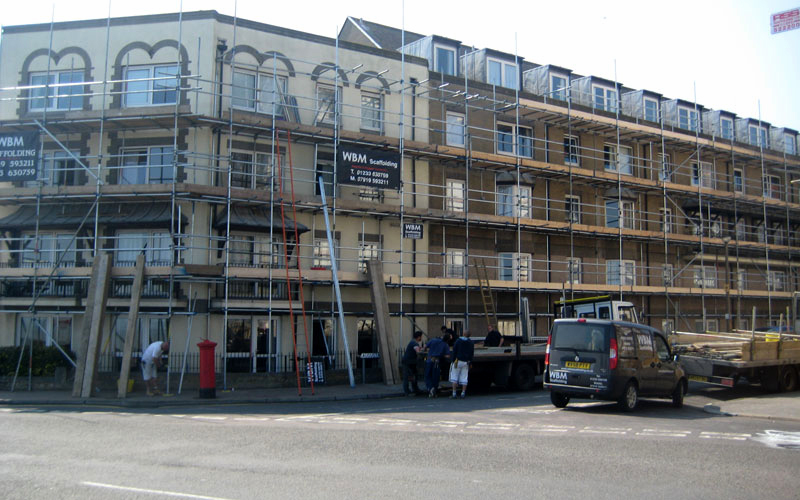
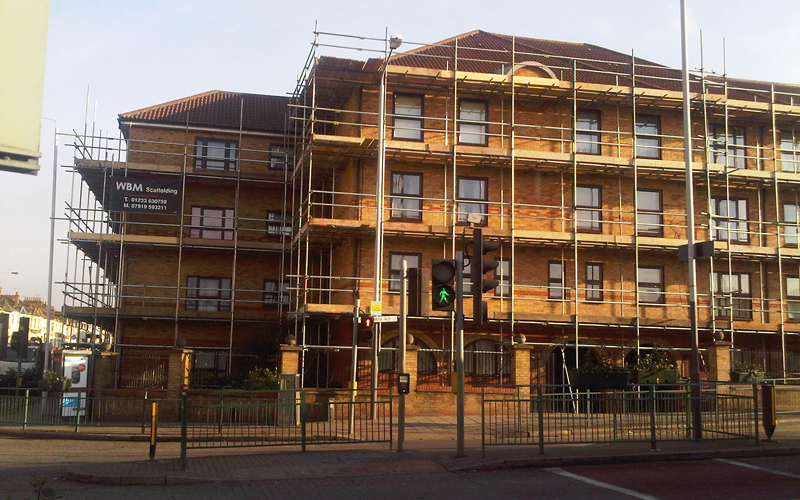
1. Independent Scaffolds (Double Scaffolding)
Used where the walls of a property cannot support the scaffold itself. Often needed for older or timber-framed buildings.
2. Access Towers
Prefabricated, mobile scaffold structures useful for short-term jobs like guttering or painting.
3. Birdcage Scaffolding
Ideal for internal work, especially ceiling repairs or interior painting in larger spaces.
4. Temporary Roof Systems
Used to keep a site dry when major roofing work is underway. These are essential in long-term projects where the roof is exposed.
By working with scaffolders who understand local building styles in Sittingbourne, you’re more likely to get the right type of scaffold for your property.
Understanding Safety Regulations
Working at height brings risk and UK law is clear about the responsibilities involved. The Work at Height Regulations 2005 apply to any job involving elevation and require that scaffolds be properly planned, installed, and maintained by competent people.
A scaffold should be:
- Erected by trained professionals with CISRS accreditation
- Fitted with handrails, toe boards, and suitable platforms
- Inspected before first use and then every 7 days
- Checked after adverse weather or structural changes
Even small domestic jobs require care. If an injury occurs due to improper scaffolding, the property owner or contractor could be held responsible. This is why it’s vital to use qualified scaffolders who follow best practice.
What If Scaffolding Affects Public Space?
In Sittingbourne, many properties front directly onto footpaths or narrow roads. If your scaffold will obstruct public space, you’ll need a licence from Kent County Council before installation begins.
Your scaffolding company should handle this process, but it’s still helpful to know what’s involved. The application typically includes:
- A site plan
- Proposed dates
- Insurance documentation
- Details of how pedestrians and vehicles will be managed
Fines may apply if scaffolding is erected without the correct permission, so always plan ahead.
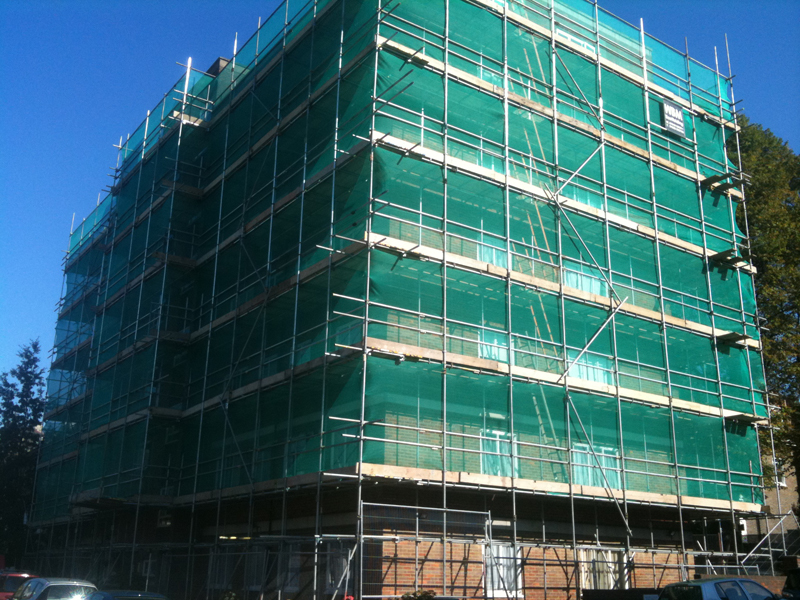
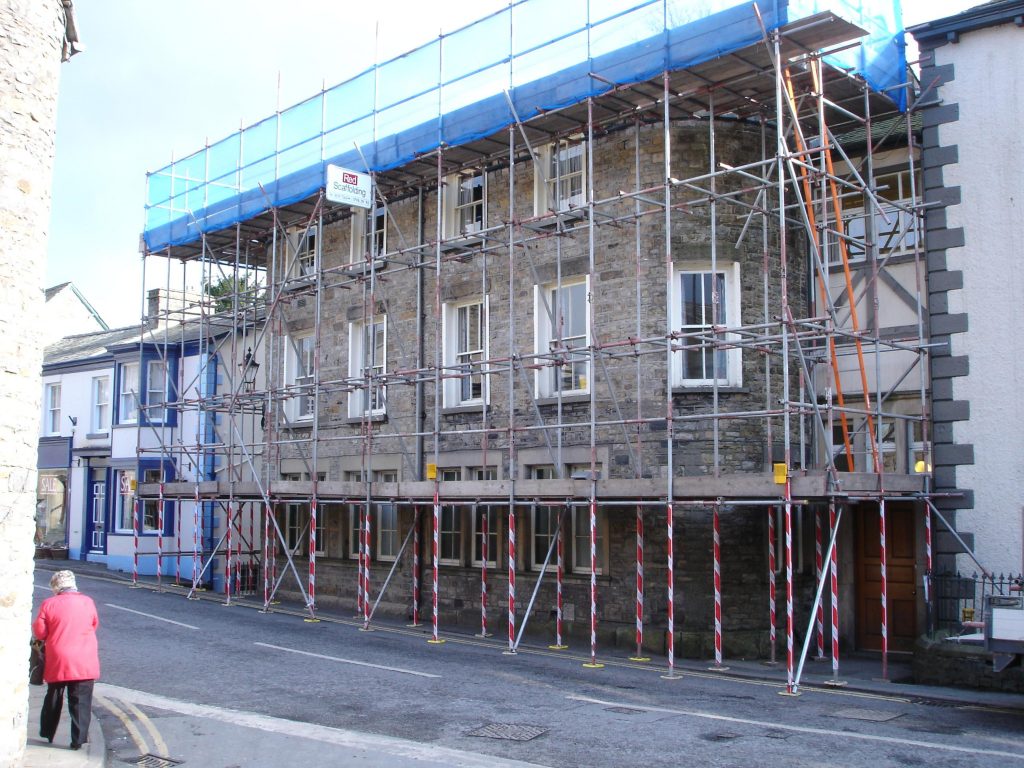
Tips for Managing a Scaffolding Project
Whether you’re a homeowner or a builder, managing scaffolding on your site takes a bit of forethought. Here are some practical tips:
- Book early – Scaffolding is in high demand, especially during spring and summer months
- Check access – Make sure there’s space for scaffold lorries and loading bays
- Secure valuables – External scaffolding can create access points for intruders
- Allow for inspection time – Plan for 7-day scaffold checks if your project will last over a week
- Talk to your neighbours – Especially important if the scaffold affects shared boundaries or access
Questions to Ask Your Scaffolder
Before agreeing to a quote, consider asking the following:
- Do you hold public liability insurance?
- Are your installers CISRS qualified?
- Will you manage the local council permit?
- How frequently will inspections be carried out?
- Can you show examples of similar jobs locally?
Experienced scaffolders in Sittingbourne should be able to answer these confidently and provide clear timelines and costs.
Average Costs for Scaffolding in Sittingbourne
Scaffolding prices can vary, but here’s a rough guide for what to expect:
| Job Type | Estimated Cost |
|---|---|
| Front of a 2-bed house | £400–£850 (1–2 weeks) |
| Roof access all sides | £900–£1,500+ |
| Temporary roof covering | £1,500–£3,000+ |
| Scaffold tower (short-term) | £150–£400 (3–5 days) |
Prices depend on height, access, duration, and whether public licences are needed. For an accurate quote, it’s best to arrange a site visit.
You can contact us here for tailored advice.
Why Scaffolders Need Local Knowledge
Sittingbourne includes a mix of old and new properties. From Victorian terraces to modern housing estates and industrial units, every site poses different challenges.
For example:
- Some listed buildings require non-invasive scaffold fixings
- Conservation areas may restrict the use of visible netting or signage
- Sloping gardens or uneven ground need custom base solutions
- Narrow roads or cul-de-sacs need careful planning for delivery and erection
A scaffolder familiar with the local area is more likely to anticipate these challenges and work efficiently around them.
Checking Work in Progress
Even after the scaffold is erected, it’s important to remain involved in the process. Look out for:
- Loose boards or unsecured poles
- Obstructions to windows or doors
- Lack of fall protection
- Trip hazards on walkways
If you have any concerns, speak to the company immediately. Safety must remain the top priority throughout the job.
Subtle But Important: Choosing the Right Team
While cost is a factor, the cheapest quote isn’t always the best choice. Consider experience, customer service, and safety standards.
At WBM Scaffolding, we’ve worked with property owners and builders throughout Kent, providing solutions tailored to their needs including many jobs across Sittingbourne. Our team is trained, insured, and familiar with the area’s properties and council processes.
We also regularly update our Instagram with current projects, showing the range of domestic and commercial work we take on.
Conclusion
Scaffolding might seem like a simple part of the building process, but it directly affects safety, schedule, and cost. If you’re looking for scaffolders in Sittingbourne, take the time to understand what your project needs, what local rules apply, and how to find a team that does things properly.
With the right plan and professional support, your scaffolding will allow the rest of the job to run smoothly from start to finish.
If you’re ready to get started, contact us here for honest advice and a no-obligation quote.