If you’re working on a building project in Kent, chances are you’ll need a safe and stable platform to carry out the work. Whether it’s bricklaying, roofing, external painting, or restoration, fixed scaffolding is one of the most reliable options. Designed to remain in place throughout the job, this type of scaffolding offers strength, safety, and long-term support.
We’ll explain what fixed scaffolding is, where people use it, how it compares with other systems, and what you can expect when you hire scaffolding in Kent.
What Is Fixed Scaffolding?
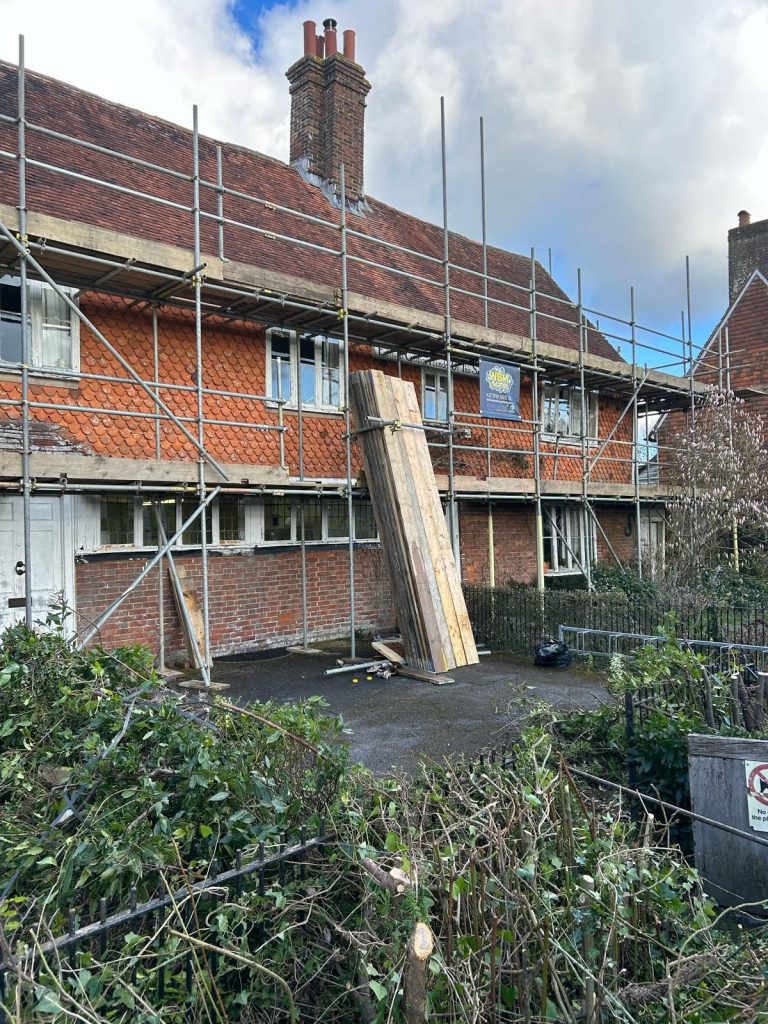
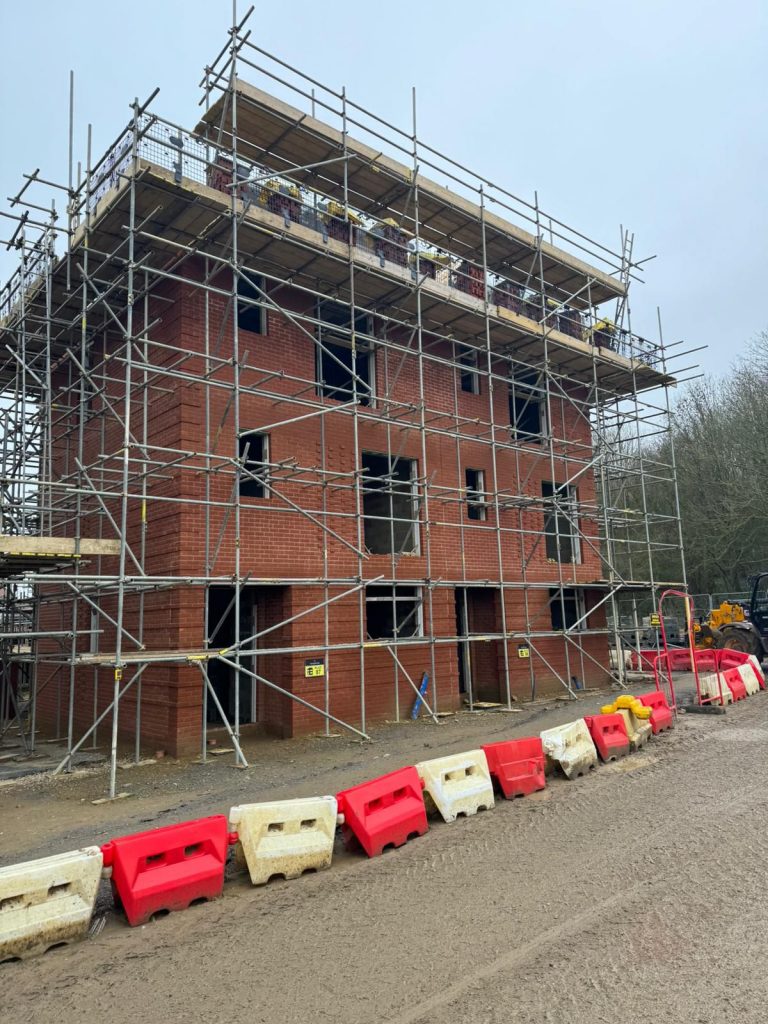
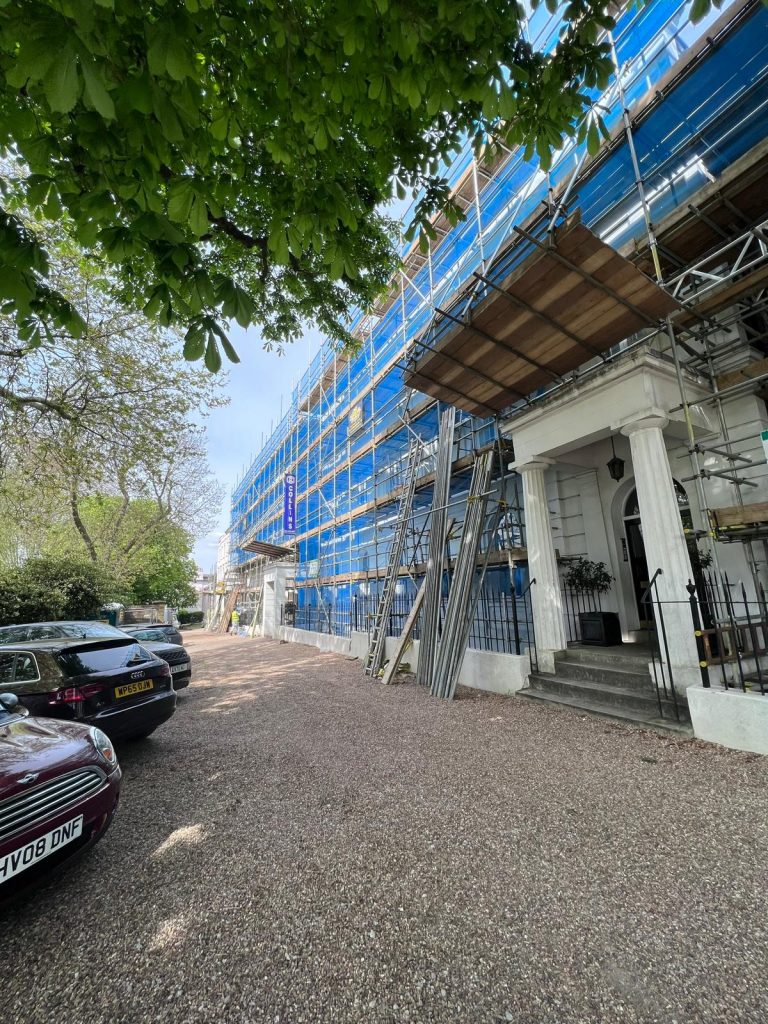
Fixed scaffolding is a non-mobile scaffold system that’s securely erected alongside a building or structure. It remains in one position for the duration of the work and provides a steady platform for workers, tools, and materials.
Unlike mobile towers or suspended platforms, fixed scaffolding is designed to stay in place. This makes it ideal for long-term projects or those that require maximum stability.
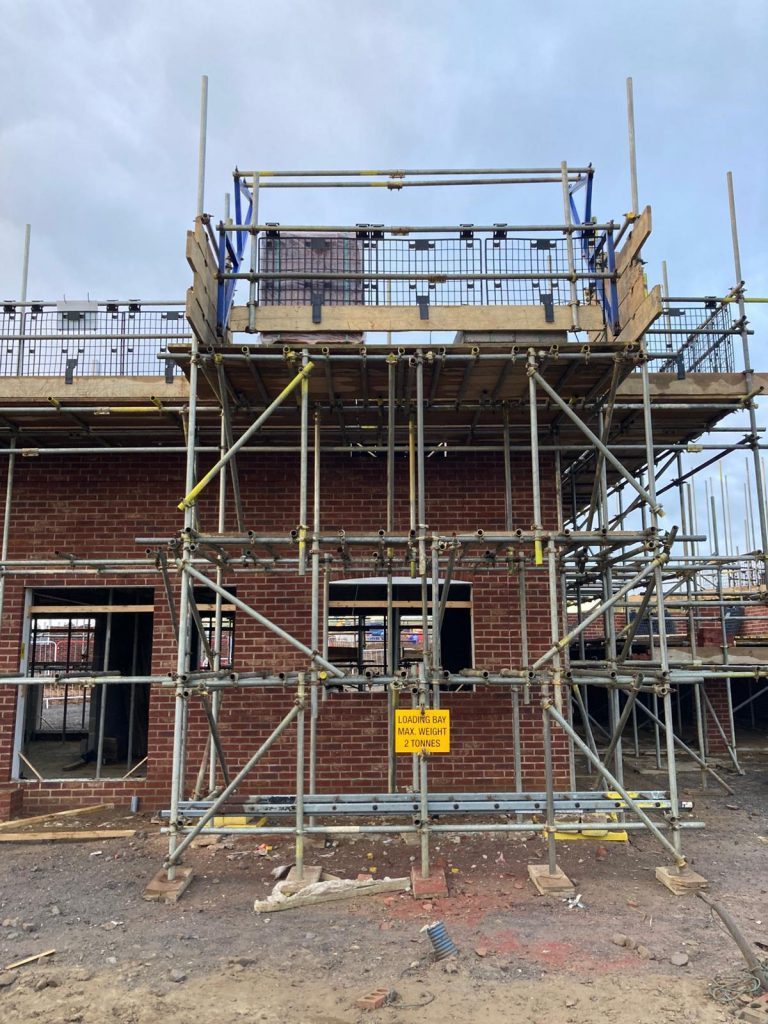
The structure typically includes:
- Vertical tubes (standards)
- Horizontal tubes (ledgers)
- Working platforms (boards or decking)
- Guardrails and toe boards for safety
- Ties or anchors to secure the scaffold to the building
The setup can be tailored to fit a range of building shapes, sizes, and heights.
Where Is Fixed Scaffolding Used?
In Kent, fixed scaffolding is widely used for both domestic and commercial purposes. You’ll often see it on:
- House extensions and loft conversions
- Roof replacements and repairs
- External painting or rendering
- Chimney repointing
- High-rise developments
- Structural repairs on heritage buildings
- School, retail or office refurbishments
Because it provides stable and secure access over a longer period, it’s a popular choice for projects where safety and durability are essential.
Benefits of Fixed Scaffolding
Fixed scaffolding offers a range of advantages over other types of systems. Below are some of the main reasons why it is so widely used.
1. High Stability
Once properly erected, fixed scaffolding remains secure and rigid, even in poor weather. It provides a safe working environment, particularly on taller buildings or larger surfaces.
2. Customisable Design
The system wraps around corners, rises across different levels, and accommodates awkward building shapes. This flexibility makes it ideal for older properties found in towns like Canterbury, Maidstone or Faversham.
3. Greater Load Capacity
Fixed scaffolds are capable of holding heavier weights, including tools, materials, and several workers at once. This is essential for construction, bricklaying, or roof tiling.
4. Safer Than Ladders or Mobile Towers
Because the scaffold is tied into the building, there’s less chance of tipping, shifting or instability. Guardrails and boards further reduce the risk of falls.
5. Suitable for Longer Projects
Unlike mobile towers, fixed scaffolds don’t need to be moved or adjusted constantly. They’re perfect for jobs that might last several weeks or even months.
Fixed vs. Mobile Scaffolding: What’s the Difference?
While both systems help workers reach height safely, the two have different strengths.
Fixed scaffolding is ideal for:
- Long-term projects
- Work at height
- Jobs requiring heavy tools or materials
- Projects in exposed or windy locations
Mobile scaffolding suits:
- Indoor tasks
- Short-term or small-scale jobs
- Areas with flat, solid flooring
- Work requiring frequent repositioning
Choosing between the two depends on the specific job, the building layout, and the site conditions.
Safety and Regulations
In the UK, scaffolding safety is governed by the Work at Height Regulations 2005. These rules apply to all scaffold systems, whether mobile or fixed.
Key safety requirements include:
- Only trained and qualified scaffolders should erect or dismantle scaffolding
- Regular inspections must be carried out at least every seven days
- Inspections are also required after severe weather, structural changes, or damage
- Scaffold platforms must include edge protection such as guardrails and toe boards
- Public safety measures, such as signage or debris netting, may be needed
All fixed scaffolding in Kent should meet these standards. At WBM Scaffolding, our team follows all UK regulations and carries out thorough risk assessments before every job. You can also view examples of our recent work on Instagram or read verified feedback on Checkatrade.
How Is Fixed Scaffolding Installed?
The process starts with a site assessment. A qualified scaffolder visits the property to measure the building, assess ground conditions, and understand the scope of the work.
Once the design is final, the team erects the scaffold with steel or aluminium tubes and fixes it firmly in place using ties and couplers. They then add the safety features, including guardrails, platforms, and ladders.
The scaffold remains in place until the work is complete. During this time, it must be inspected regularly to ensure safety. Once no longer needed, the scaffold is dismantled and removed from the site.
Cost of Fixed Scaffolding in Kent
The price of hiring fixed scaffolding depends on several factors:
- Size and height of the building
- Duration of hire
- Type of project
- Access issues (e.g. narrow roads or sloped ground)
- Any additional safety equipment required
On average, domestic scaffolding for a semi-detached house might cost between £600 and £1000. Larger commercial scaffolds or multi-level setups can cost several thousand pounds.
It’s important to get a detailed quote. Most reputable companies in Kent offer free site surveys and fixed-price estimates.
Do You Need a Permit?
If the scaffold is erected entirely on your property, you usually won’t need permission. However, if it extends over a public footpath or road, you must apply for a pavement or highway permit from the local council.
A good scaffolding company will usually take care of this process for you. At WBM Scaffolding, we can handle all permit applications and ensure full compliance with local council requirements.
Choosing a Fixed Scaffolding Provider in Kent
Finding the right company can make all the difference to your project. When searching for a provider, look out for:
- CISRS-qualified scaffolders
- Clear safety procedures and risk assessments
- Full insurance coverage
- Transparent pricing and terms
- Positive reviews and recommendations
- Prompt customer support and communication
Working with a local team in Kent means faster site visits, better understanding of the area, and often lower costs. Whether you’re in Ashford, Canterbury, Tonbridge or Medway, local knowledge matters.
Final Thoughts
Fixed scaffolding is one of the most trusted systems for construction, renovation, and maintenance work in Kent. With its stability, custom design, and strong safety features, it offers a secure platform for all types of jobs big or small.
If you’re planning work at height and need a dependable scaffolding system, fixed scaffolding could be the right choice. Always choose a trained, insured, and experienced company so they install your scaffold safely and meet UK regulations.
For expert fixed scaffolding services across Kent, get in touch with WBM Scaffolding. We’re happy to offer advice, provide a free quote, and help you move your project forward safely.