Professional Domestic Scaffolding
When it comes to maintaining or improving your home, safe access is essential. Whether you’re repairing a roof, replacing windows, painting exterior walls or installing new gutters, domestic scaffolding can make the job much easier and safer. We’ll explain what domestic scaffolding is, when it’s needed, how it works, and what to look for when hiring a professional scaffolding company.
What Is Domestic Scaffolding?
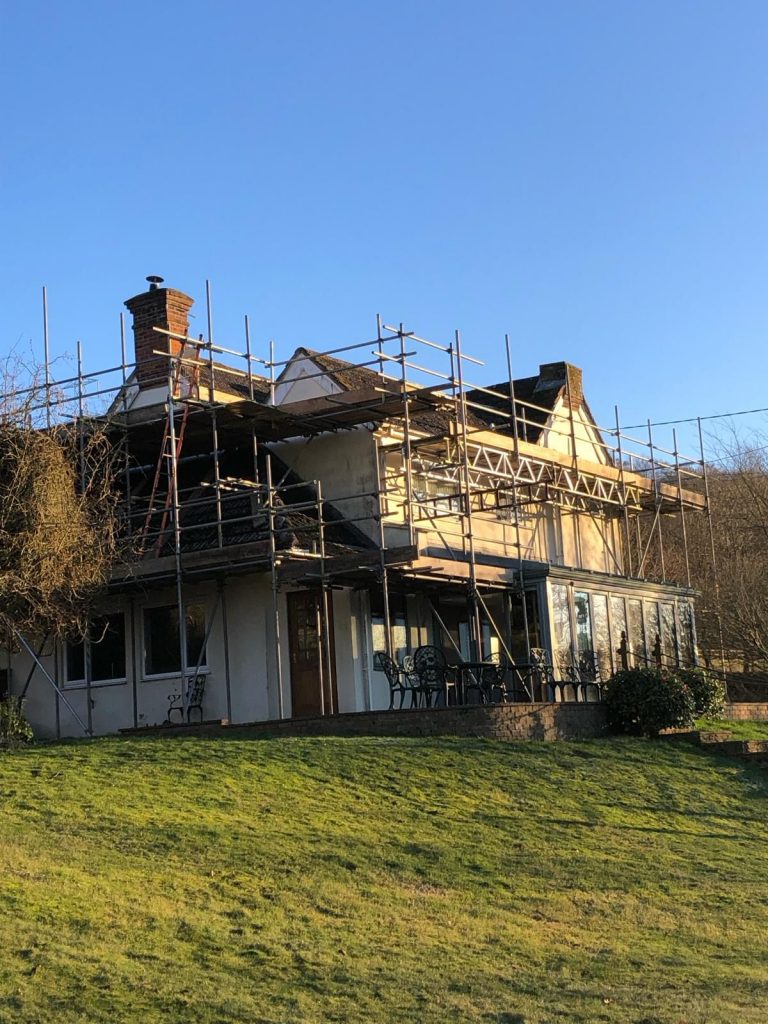
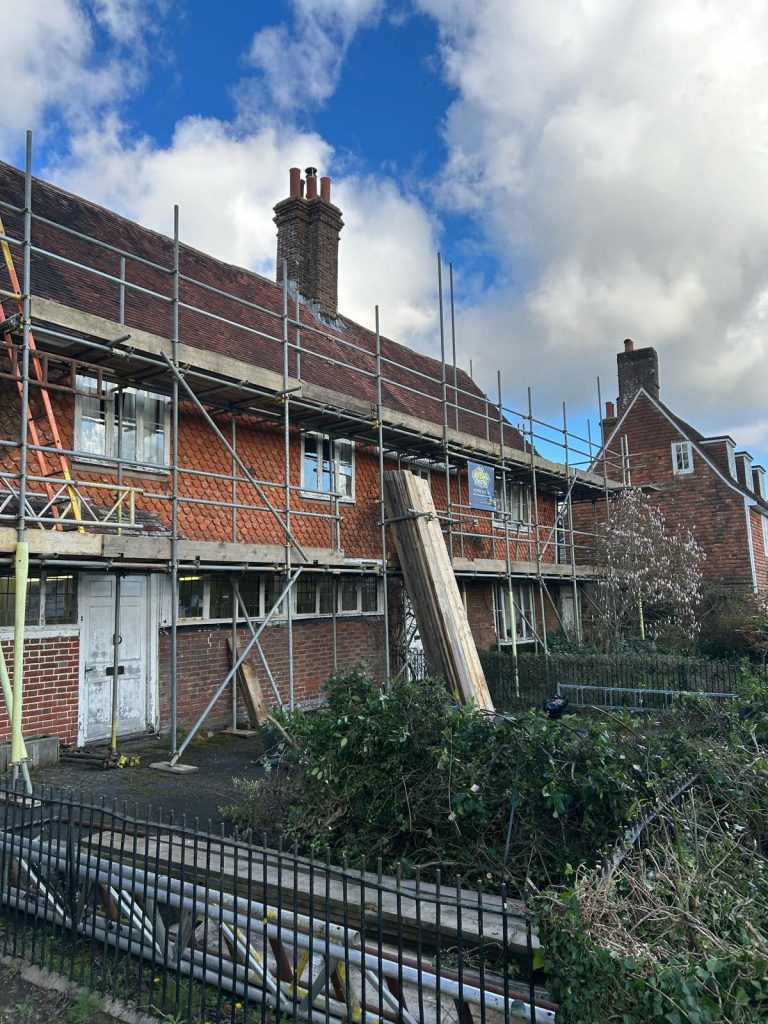
Domestic scaffolding refers to temporary structures installed around residential properties. These structures provide safe platforms for tradespeople to carry out work at height. Unlike commercial scaffolding, which is used on large buildings and construction sites, domestic scaffolding is designed for houses, flats, and smaller buildings.
Typically, it includes vertical poles (standards), horizontal supports (ledgers), walkways, toe boards and guardrails. It may also include ladders or stair access, depending on the height and complexity of the job.
Domestic scaffolding is usually erected for short-term use, and is tailored to fit the shape and size of each property.

When Do You Need Domestic Scaffolding?
Not every home improvement job requires scaffolding. However, there are many situations where it becomes necessary or at least strongly recommended:
- Roof repairs or replacements
- Chimney work
- Exterior painting or rendering
- Fascia, soffit, and guttering repairs
- Loft conversions or dormer installations
- Window replacements on upper floors
- Solar panel installations
If the job involves working at height, handling tools or heavy materials, or requires extended time above ground level, scaffolding will usually be needed to provide a safe and stable platform.
Is Scaffolding Always Required?
While ladders may seem like a quicker or cheaper option, they are not always the safest. Domestic scaffolding is generally required if:
- The work takes more than a short period of time
- Tools or materials need to be carried up and down
- More than one worker is involved
- The job takes place above ground floor level
The Health and Safety Executive (HSE) recommends scaffolding or access towers for most building and maintenance work involving height, especially where stability and fall protection are critical.
Types of Domestic Scaffolding
There are several types of scaffolding systems used in residential settings. The right one depends on your property and the nature of the work.
Independent Scaffolding
Also called double scaffolding, this is commonly used where wall strength cannot be relied on to support the scaffold. It uses two rows of standards for extra stability.
Putlog Scaffolding
This connects directly to the wall using horizontal supports called putlogs. It’s often used when the wall is strong enough to bear weight and the job is straightforward.
Roof Access Scaffolding
This setup allows safe access to roofs for repair or replacement work. It usually includes platforms and edge protection at roof height.
Tower Scaffolding
Free-standing scaffold towers can be moved around and are often used for smaller, localised work such as painting or window installation.
Cantilever Scaffolding
In some domestic settings with limited space at ground level, cantilever scaffolding may be used. This is suspended from the structure rather than supported from below.
How Safe Is Domestic Scaffolding?
When installed and used correctly, domestic scaffolding is very safe. It provides a stable platform, reduces the risk of falls, and makes it easier for tradespeople to carry out their work efficiently.
To ensure safety:
- Only trained professionals should erect and dismantle scaffolding
- The structure must be inspected before use
- Regular checks must be carried out during use, especially in bad weather
- Safety features like guardrails and toe boards must be used
The Work at Height Regulations 2005 apply to all scaffolding in the UK. This includes domestic projects, even for small jobs. If you’re hiring a contractor, it’s their responsibility to ensure that scaffolding complies with the law.
How Much Does Domestic Scaffolding Cost?
The cost of domestic scaffolding varies depending on several factors:
- Size of the house and how many levels need access
- Duration of hire
- Type of scaffolding required
- Access and site conditions
- Location in Kent or elsewhere in the UK
As a rough guide, scaffolding for a two-storey house for roof or gutter repairs might cost between £400 and £900. Larger or more complex jobs will naturally cost more.
It’s always worth getting a full written quote that includes design, installation, inspections, and removal. A clear price from the start avoids surprise costs later.
Do You Need Permission?
In most domestic cases, you won’t need permission to put up scaffolding on your own property. However, if the structure extends over a pavement or road, your scaffolding company will need to apply for a permit from your local council.
This is common in terraced homes or properties with little front garden space. A professional scaffolding firm will usually handle the application process and ensure that safety regulations are followed.
Finding the Right Domestic Scaffolding Company
Choosing the right scaffolding provider can make a big difference to your project. Here are a few things to look for:
- Experience with domestic projects: Not all scaffolding companies specialise in home jobs, so it’s important to find one with relevant experience.
- Insurance: The company should have public liability insurance to cover any potential issues.
- Safety compliance: They should follow all HSE rules and provide regular scaffold inspections.
- Local knowledge: A company based nearby will be more familiar with local regulations and quicker to respond to changes or issues.
If you’re in Kent, contact us here to discuss your project. At WBM Scaffolding, we specialise in domestic scaffolding solutions and cover Ashford, Maidstone, Canterbury and surrounding areas.
You can also see our latest updates on Instagram and read reviews from local customers on Checkatrade.
When Should You Book?
Scaffolding companies can get very busy during spring and summer when outdoor projects are in full swing. To avoid delays, try to book your scaffolding in advance especially if your job is time-sensitive.
If your project depends on good weather (like painting or roofing), flexibility in your booking helps avoid wasted time.
Avoiding Common Mistakes
Here are a few simple ways to make sure your domestic scaffolding project runs smoothly:
- Don’t cut corners: It may be tempting to go without scaffolding to save money, but safety should always come first.
- Hire qualified professionals: DIY scaffolding setups are not recommended. It takes skill and experience to build a safe structure.
- Get everything in writing: Quotes, timelines, and what’s included should be clearly agreed before work starts.
- Discuss timing with other trades: Make sure the scaffold is ready when builders, painters, or roofers need it.
Conclusion
Domestic scaffolding plays a key role in keeping tradespeople and homeowners safe during work on residential properties. Whether you’re planning minor repairs or a full renovation, the right scaffolding setup gives you better access, safer working conditions, and smoother project delivery.
By understanding the basics what types of scaffolding are available, when it’s needed, and how to find a trusted local provider you can take control of your project from the start.
If you need help with domestic scaffolding in Kent, our team at WBM Scaffolding is here to support you. Contact us today for a free quote and tailored advice for your home.