

Scaffolding is a crucial part of construction, maintenance, and renovation work across the UK. But knowing exactly when scaffolding needs to be erected can sometimes cause confusion — especially for homeowners or first-time project managers.
In this guide, we explain when scaffolding is required, what the law says, and what factors determine whether it’s the right access solution for your project.
What Does ‘Scaffolding Erected’ Mean?
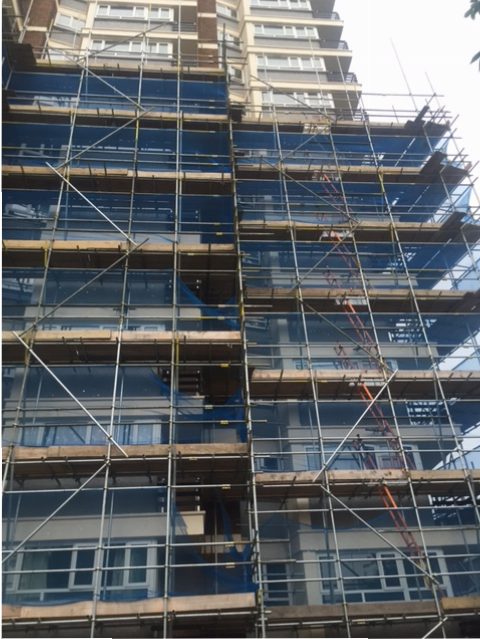
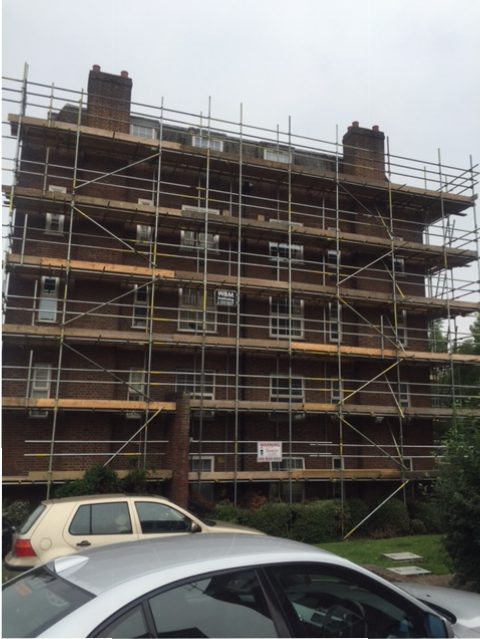
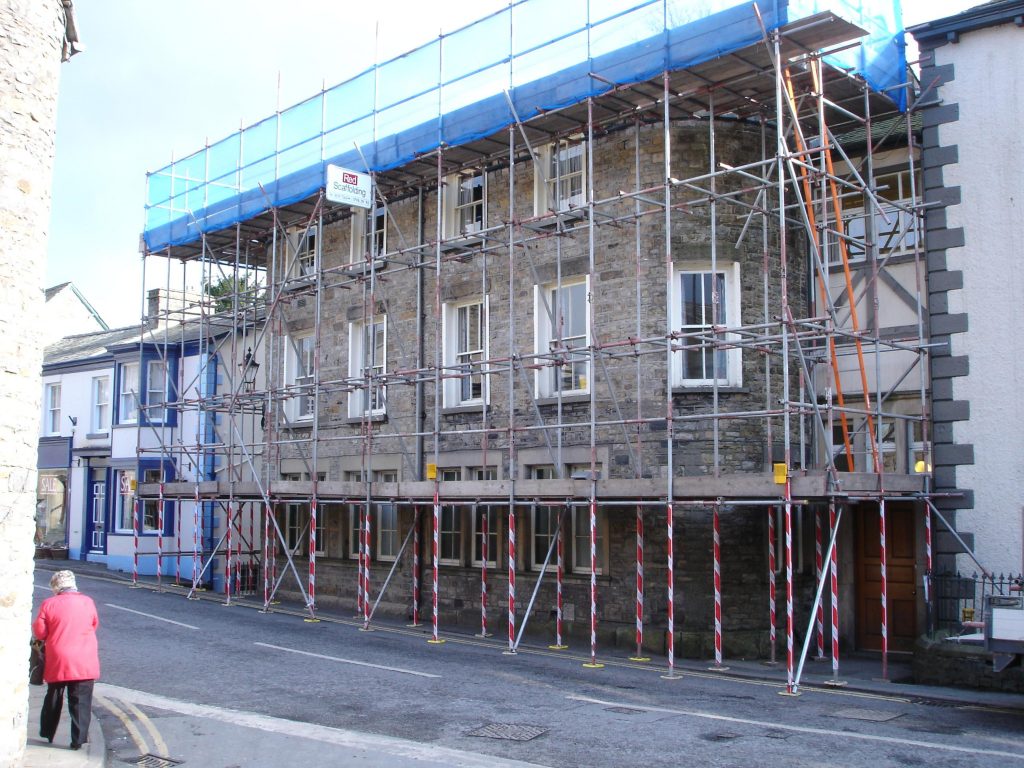
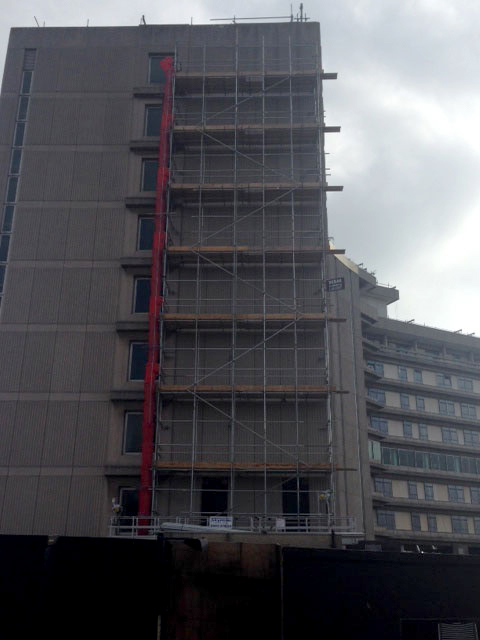
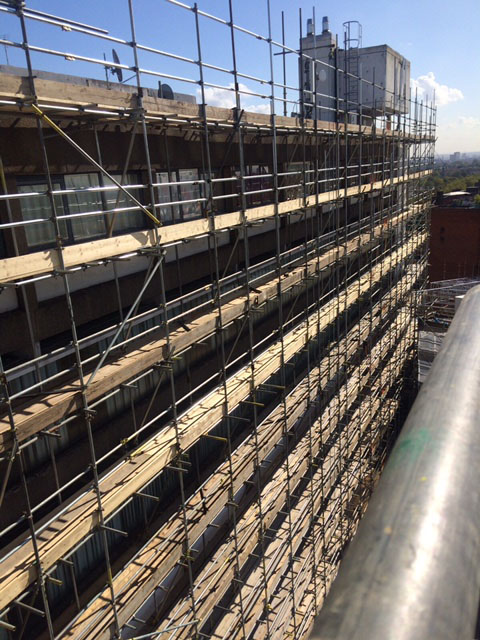
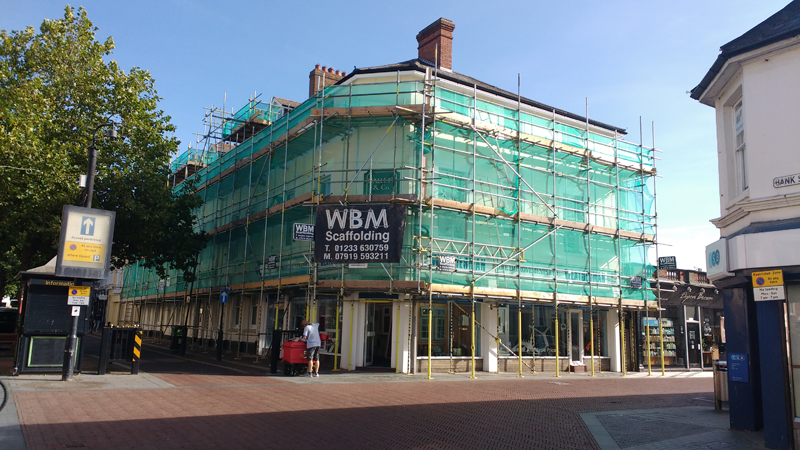
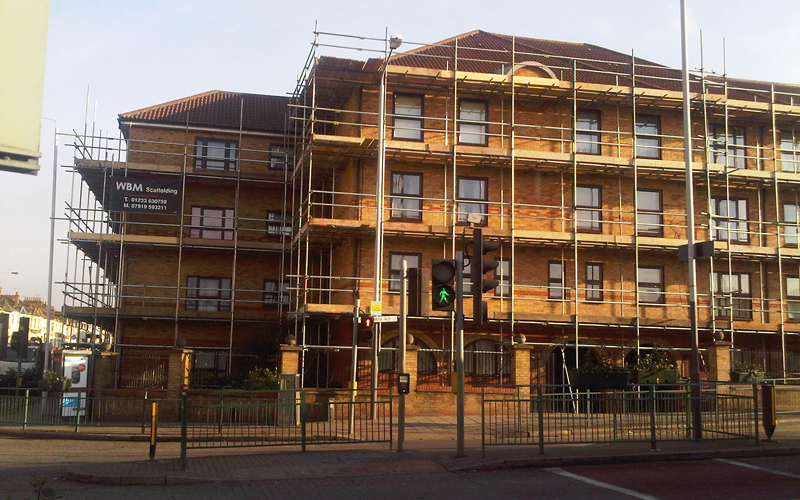
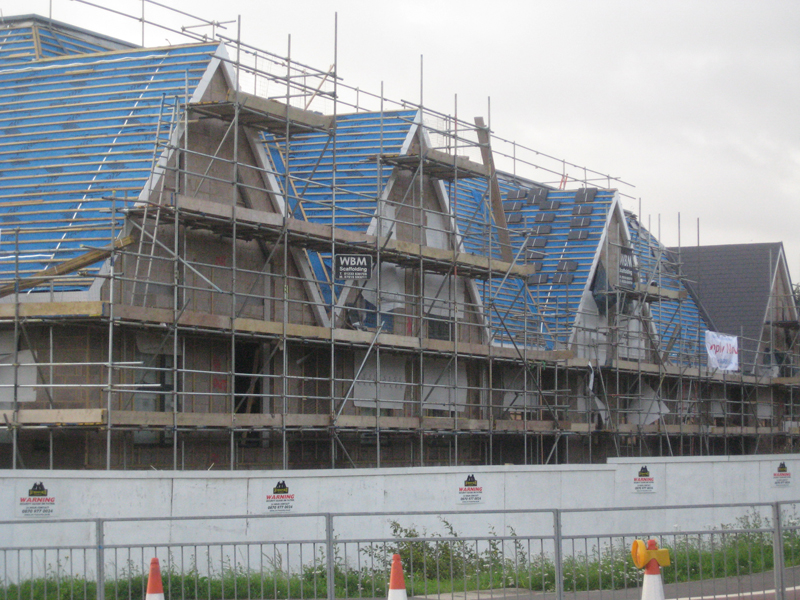
When we say scaffolding is “erected,” we mean the process of assembling a temporary structure that allows safe access to work areas at height. This includes fitting vertical standards, horizontal ledgers, working platforms, toe boards, guardrails, and other essential parts.
Scaffolding must be erected by trained professionals — usually operatives qualified under the CISRS (Construction Industry Scaffolders Record Scheme). The structure must also meet UK safety standards set out in the Work at Height Regulations 2005.
Once a scaffold is erected, it must be inspected before use and regularly while in service.

When Does Scaffolding Need to Be Erected?
There is no single rule that applies to every situation, but there are several key scenarios where having scaffolding erected becomes essential.
1. Work Involving Height and Duration
Any task that involves working at height for an extended period increases the risk of falls. If a job lasts more than a few minutes, and especially if it requires tools or materials to be carried, scaffolding may be required.
Typical examples include:
- Replacing roof tiles or ridge lines
- Chimney stack repairs
- Loft conversions
- External rendering or painting
- Window installations on upper floors
2. Where Ladders Are Unsafe or Unsuitable
Ladders can only be used for short-term work where three points of contact can be maintained. If the job requires sideways movement, multiple workers, or carrying materials, scaffolding is a safer choice.
Even relatively low-level tasks may require scaffold if they involve awkward angles or limited space.
What Does the Law Say?
UK law doesn’t state that scaffolding must be used in every situation — but it does require that any work at height is carried out safely. The Work at Height Regulations 2005 make it clear that employers and contractors must:
- Use the most suitable equipment for the job
- Prevent falls where possible
- Provide a stable working platform
- Plan and supervise all work at height properly
If a risk assessment finds that ladders or mobile platforms aren’t safe, then scaffolding must be erected to meet legal obligations.
Jobs That Often Require Scaffolding to Be Erected
Below is a list of common jobs where scaffolding is usually necessary, based on standard health and safety practices:
- Roof repairs: Even minor repairs may require scaffold if the area is sloped or high.
- Chimney pointing: Often at the highest part of the building, with no safe access via ladder.
- Guttering work: Especially on two- or three-storey homes.
- External redecoration: Where painters need a solid base and space to move.
- Solar panel installation: Needs stable access for panels, tools, and workers.
- Window replacement (upper floors): Requires scaffold to allow fitting from outside.
- Loft extensions: Multi-trade access over a long period makes scaffolding ideal.
If you’re unsure whether your project requires scaffolding, contact us here for tailored advice.
Does All Scaffolding Need to Be Erected by Professionals?
Yes. All scaffolding must be erected, modified, and dismantled by a competent person. This usually means:
- A CISRS-qualified scaffolder
- An operative working under supervision of a qualified person
- A company following a pre-approved scaffold design plan
Improperly erected scaffold is not only dangerous but can lead to prosecution, fines, or serious injury.
Who Decides If Scaffolding Needs to Be Erected?
Responsibility for deciding whether scaffolding is needed sits with the contractor or site manager. They must carry out a proper risk assessment before work begins.
Factors to consider include:
- The height of the job
- Length of time the job will take
- Weather conditions
- Site access and layout
- Whether multiple trades will use the same access
On commercial sites, health and safety consultants may also be involved. For domestic jobs, the tradesperson or scaffolder usually makes the recommendation.
What About Temporary Roofs and Complex Structures?
In addition to standard scaffold towers, more complex scaffolding is sometimes required. Temporary roofs or weather covers are used when:
- The internal structure of a building is exposed
- Work needs to continue in poor weather
- Projects run over several weeks or months
These setups must be carefully designed and professionally installed. The need for these types of scaffolding to be erected is decided during the planning phase based on the scope of the work.
Do You Need Permission to Have Scaffolding Erected?
Permission is required if your scaffolding:
- Extends onto a public footpath or road
- Affects pedestrian access
- Interferes with street lighting or visibility
In Kent, you’ll need to apply for a scaffold licence through Kent County Council. Most scaffolding companies — including those working in Ashford, Canterbury, and Folkestone — will manage this application for you.
The application includes:
- Site details and duration
- Risk assessments and method statements
- Public liability insurance
- Traffic and public safety plans
Failure to get a licence could lead to enforcement action or fines.
How Long Can Scaffolding Stay Erected?
There’s no legal time limit, but the structure must be:
- Inspected before first use
- Checked every 7 days while in place
- Reviewed after any changes or bad weather
Many domestic jobs require scaffolding for only a few days, while larger builds or renovations may need it for several weeks. Regular inspections help ensure ongoing safety and legal compliance.
What Happens During Scaffold Erection?
The erection process is usually as follows:
- Site assessment – The scaffolding provider inspects the location and identifies access needs.
- Design and planning – The team prepares a scaffold design suited to the job.
- Delivery and assembly – Qualified operatives erect the scaffold safely.
- Inspection and tagging – A safety check is carried out, and the scaffold is tagged for use.
- Ongoing monitoring – Regular checks continue throughout the project.
You can see examples of well-managed scaffold erection and finished setups on our Instagram, where we post updates from sites around Kent.
Summary, When Should Scaffolding Be Erected?
To sum up, scaffolding needs to be erected when:
- Work at height cannot be done safely with ladders
- The job is long in duration or requires multiple workers
- There’s a risk of falling or dropped materials
- Tools or materials need to be carried at height
- Legal safety standards demand a stable platform
- Access to the site is limited or public safety is involved
Making the decision early in the planning process prevents delays, legal issues, and unnecessary risk.
Need Expert Advice?
If you’re unsure whether your project requires scaffolding to be erected, our team can help. We work across Kent — including Ashford, Folkestone, and Canterbury — providing safe, reliable scaffold systems for domestic and commercial projects.
Get in touch with one of the team using the below details:
Mob: 07919 593 211
info@wbmscaffolding.co.uk
ju@wbmscaffolding.co.uk
wes@wbmscaffolding.co.uk